Developers · Local authorities
In a public consultation, residents always ask the same questions: noise, backup generators, water, what they will see from home, the role of councillors. A project that arrives with vague answers, or a white model seen from above, loses trust at the first meeting. We prepare quantified, verifiable and understandable answers, and we organise the dialogue between the developer and local councillors.
First conversation confidential and with no commitment. Fixed fees proposed in writing before any assignment.
WHAT WORRIES RESIDENTS, AND WHAT YOU NEED TO SHOW
The figures that circulate are often real but misunderstood. The 70 and 60 dB, for example, are maximum levels at the property boundary, not the noise heard inside homes. Without a clear document, those are the figures residents remember. See the questions residents ask about a data center.
OFFER 1 · THE RESIDENTS' PACK
Five documents, prepared with the developer and its consultants, written to be read by residents and councillors, not only by the authorities.
Critical review of the acoustic study, or its specification if it has yet to be done. A note that separates the property boundary limit from what residents will hear, home by home, day and night, with post-commissioning measurement commitments.
Number and rating, fuel (diesel or HVO), stored quantities, test frequency and timing, emissions, distances to homes and schools. A document the developer can publish and keep to.
Annual and summer peak volumes, source (mains or borehole), uses, cooling system, the case for any borehole, state of the local resource.
Viewpoints chosen with the municipality and residents, specification of eye-level photomontages in summer and winter, and the project overlaid on the village map at the same scale.
Power, house prices, jobs, local tax, timeline: a sourced Q&A that separates legal requirements from the developer's own commitments.
We do not carry out acoustic measurements or photomontages ourselves: we specify them, check their assumptions and make them readable. Studies remain signed by the consultants who produce them.
OFFER 2 · THE DEVELOPER–COUNCILLOR INTERFACE
Councillors are on the front line: residents turn to them, often before they have seen the full file. Developers speak a technical and financial language that does not land well in public meetings. We bridge the two.
One simple rule: on any given project we are retained either by the developer or by the local authority, never both. Our mandate is disclosed to councillors and residents. We do not intervene in council votes and we promise no decision.
WHO IS INVOLVED
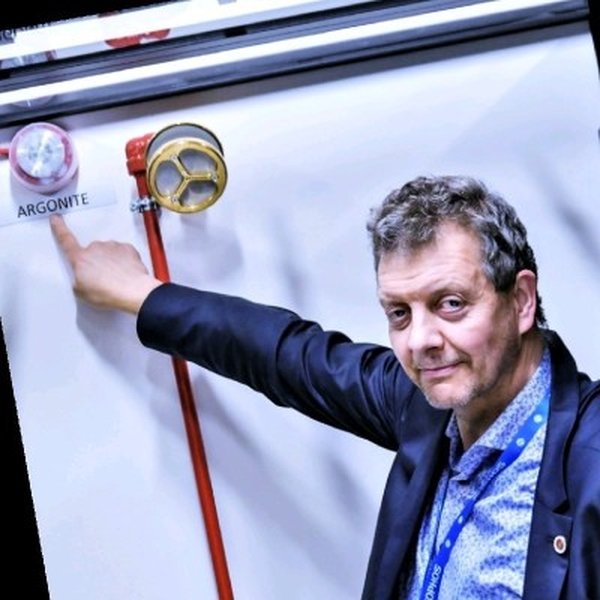
Francis Gillard
Data center design & audits
Thirty years in HVAC, twenty in data centers: cooling, water, equipment noise, risk analyses. Read profile →

Xavier Watrelos
HV grid connection & permitting
Over twenty years of industrial projects, HV connections, utilities, commissioning and permit applications. Read profile →
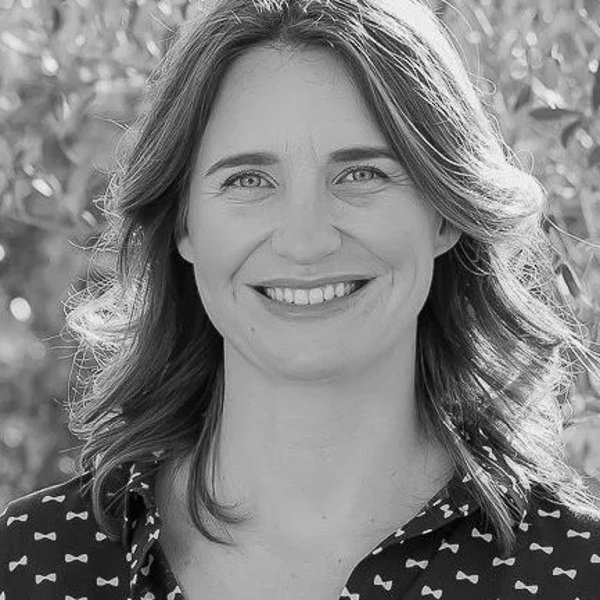
Blandine Cazelles
Crisis communication & public affairs
Former Senate chief of staff and local councillor for twelve years, founder of a network of senior crisis management experts. Read profile →
HOW IT WORKS
If a crisis or legal challenge arises, see crisis communication. For national institutional relations, see public affairs.
FREQUENTLY ASKED QUESTIONS
Do you carry out data center acoustic studies?
No. We write the specification or review the study produced by an acoustic consultant, then turn it into a note residents and councillors can read.
Can you act as a go-between for a data center developer and local councillors?
Yes, transparently: we are retained either by the developer or by the local authority, never both, and the mandate is disclosed. We prepare meetings, rephrase technical answers and track commitments.
When should the residents' pack be prepared?
Before the first public announcement or, at the latest, before the prior consultation. An answer published after a rumour convinces far less than a document available from the start.